Who pipefitters are
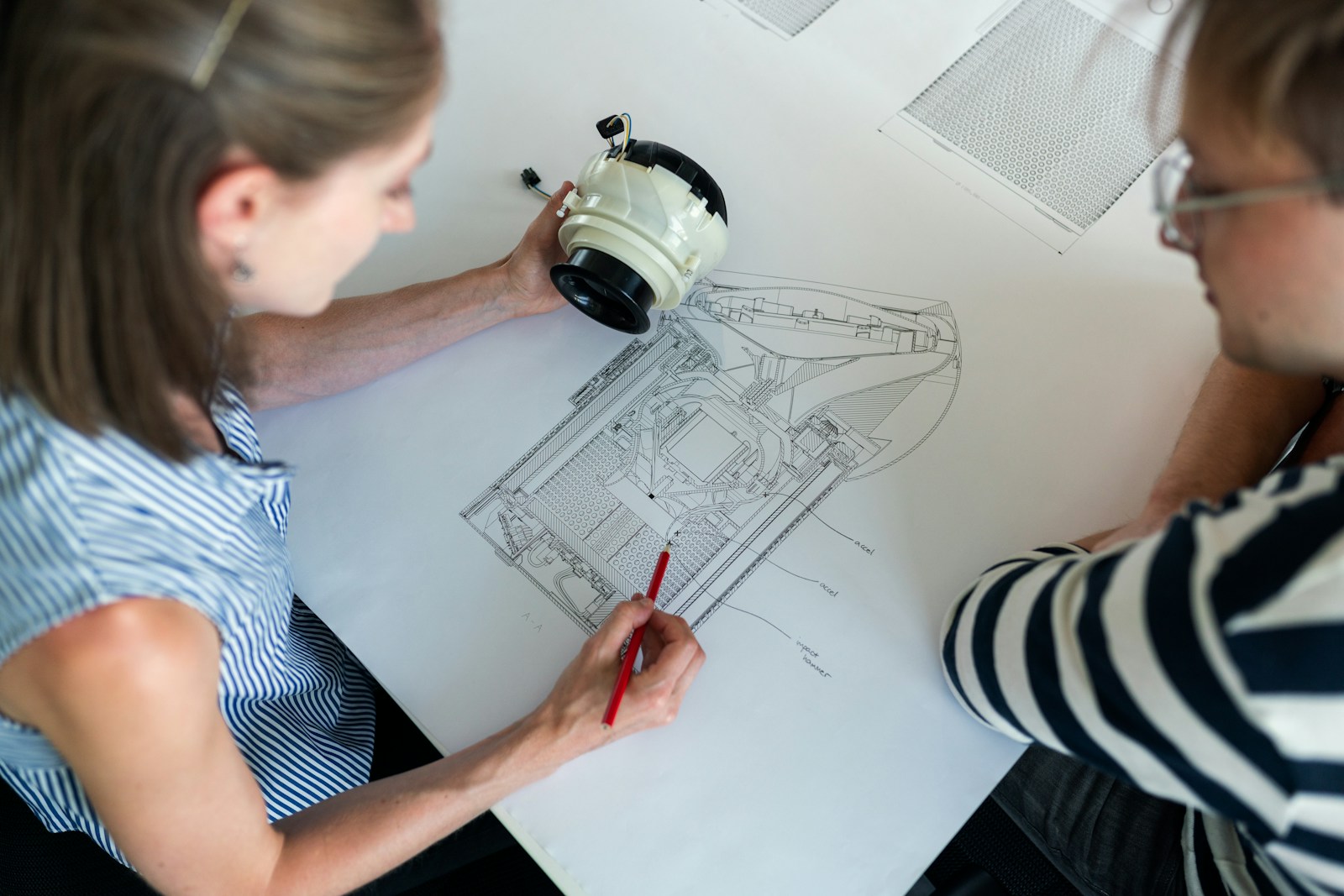
A pipefitter is a craftsman who reads piping drawings (P&ID or isometric), measures, cuts, bends, secures and prepares every component for the welder. The welder only strikes the arc and pulls the puddle — but the quality of the whole line depends on whether the pipefitter cut the pipe accurately, oriented it correctly, respected bend R-factors, and prepared a clean weld preparation. Without a good pipefitter there is no good installation.
The spool fabricator — the invisible soul of the project
A spool fabricator (often just called „Fitter" or „Pipe Spool Fabricator") is the specialist who builds in the shop a „spool" — a prefabricated section of pipe with elbows, tees, reducers and flanges that is then simply bolted in the field to the other spools. The fabrication shop is where raw pipe becomes a professional whole: stable temperature, clean workspace, overhead camera for weld inspection, calibrated gauges.
Importance in the manufacturing process
In a chemical plant, refinery or biotech facility, piping represents 30–50 % of the total investment. A single bad weld on a DN300 oil line = hundreds of thousands of euros to repair + weeks of delay. A spool fabricator must therefore master: ▸ Reading ISO drawings (Idea, Spoolgen) ▸ Material classes per ASTM/EN (304L, 316L, P91, X5CrNi) ▸ ASME B16.9 fitting standards (elbows, reducers) ▸ Weld gap tolerances (root gap typically 1.5–3 mm) ▸ Preheat and interpass control for carbon steels
History of the craft
Pipefitting as a distinct trade emerged in 19th-century England with the rise of railway steam locomotives and textile mills — someone had to route steam safely from boiler to machinery. In the USA the industrial standard was set by the UA (United Association of Plumbers and Pipefitters) in 1889; they still run 5-year apprenticeship programs. In Central Europe a strong pipefitting culture developed around arsenals (Škoda Plzeň, Vítkovice) and chemical works (Slovnaft, Duslo Šaľa).
Trivia from a pipefitter's life
▸ The hardest operation: „branch with pull" — welding a heavy branch so the pipe doesn't shrink out of geometry during welding. ▸ The best pipefitters can „read" a drawing in 10 seconds — they'll tell you flange orientation, valve direction and where the drain should be. ▸ For sanitary and pharma the LOM rule applies (Linker of Materials) — no oil, no grinding burns, only polished stainless and finished tubes. ▸ Saying: a good pipefitter spends no more than 20 % of their time welding — the rest is measuring, cutting, cleaning, and inspection. ▸ In the chemical industry there's a „Lead Pipefitter" position — paid more per hour than the TIG welder, because without them the welder has nothing to weld.